YouTube
October 2, 2026
When Stated Value Meets a Flood Question
Stated value insurance starts with a number supported by the vehicle’s details, improvements, and appraisal. But what happens if a classic car is damaged in a flood—and which policy applies?
A Number, an Appraisal, and a Big Question
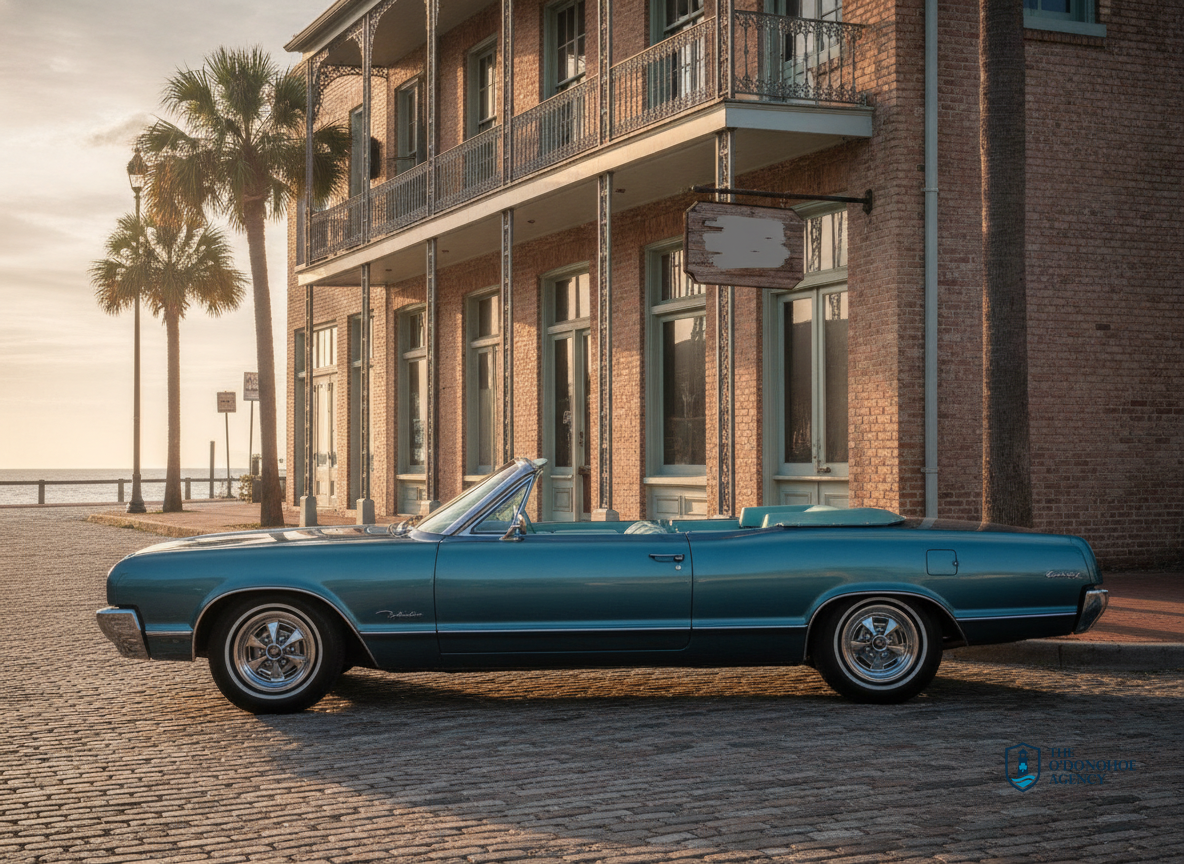
In this clip, the conversation describes a classic-car owner who has invested in a vehicle, completed work on it, and gathered an appraisal suggesting a $65,000 value. The insurer reviews those details and, in the example, agrees to that amount as the stated or agreed value. Then comes the important follow-up: if the car is caught in a flood at home, how does coverage work, and how do you know which insurance policy responds? The transcript raises that question but does not answer it, so the key takeaway is to check the actual policy language rather than assume the value settles every coverage issue.
How to Think Through the Value and the Flood Scenario
First, separate the vehicle’s value from the cause of damage. The $65,000 figure in the conversation is an example of a value discussed after the owner describes the car, the work completed, and an appraisal. It does not, by itself, tell us what happens in every claim or whether a particular loss is covered. [Stated value] is a value presented for consideration when arranging coverage; the policy’s wording explains how that figure is used. The speaker also says “agreed value,” but those terms can be treated differently by different policies, so ask what the specific contract means rather than relying on the label alone.
Second, identify what happened to the vehicle. Was it damaged by rising water, water entering a garage, or another event? These details help frame the question for the insurer, but this clip does not establish that any particular policy covers a particular flood situation. [Covered cause of loss] means an event the policy says may qualify for coverage, subject to its terms, conditions, and exclusions. Do not assume that a car being inside a home automatically means the home policy or the vehicle policy will pay.
Third, read the documents that apply to the car and the property. Check the declarations page [a summary of key policy information], the coverage descriptions, exclusions, limits, and any endorsements [policy changes or additions]. Look for the covered property, how the vehicle’s value is determined, and whether flood or water damage is addressed. If the language is unclear, ask the insurer to explain it in writing before a loss occurs. The transcript does not tell us what the policies say, so a definitive answer about which one responds would be guesswork.
Consider three local, hypothetical situations as prompts for that conversation. In Galveston, a classic car stored at home is exposed to floodwater; ask specifically how the vehicle policy addresses that event and whether any separate property coverage has a role. In Texas City, a restored car is kept in a garage and water reaches it; confirm whether the policy’s wording treats that damage as covered, excluded, or subject to special conditions. In League City, an owner has an appraisal and a stated amount but is unsure how a flood claim would be evaluated; ask whether the agreed figure affects the claim calculation and what documentation is needed. These examples are questions to investigate, not promises of coverage or predictions about a claim outcome.
Finally, keep records together: the appraisal, photos, receipts for improvements, vehicle identification details, and the policy documents. Ask the carrier to clarify how it uses the stated amount, what it considers when assessing a loss, and which policy provisions apply to flood damage. [Claim assessment] means the process of reviewing the reported damage and the contract to determine what may be payable. The clip introduces the issue; the individual policy, not a headline or an assumption, provides the details.
Local Questions Deserve Clear Answers
The O'Donohoe Agency is based in Galveston, and our community knows that questions about vehicles, homes, and severe weather can feel especially personal when they involve something you have worked hard to protect. This video raises a useful coverage question, but it does not establish which policy applies or describe a specific agency service. In any insurance conversation, clear documents and careful questions matter. Review the terms that apply to your own situation, and make sure you understand how the policy describes value, covered losses, and exclusions before you need to rely on it.
Ask Before You Assume
Have a question about your insurance documents? Contact The O'Donohoe Agency in Galveston at 409-402-5197 for a friendly conversation. No website URL was provided for this description.
#theodonohoeagencygalveston #GalvestonTX #ClassicCar #FloodQuestions